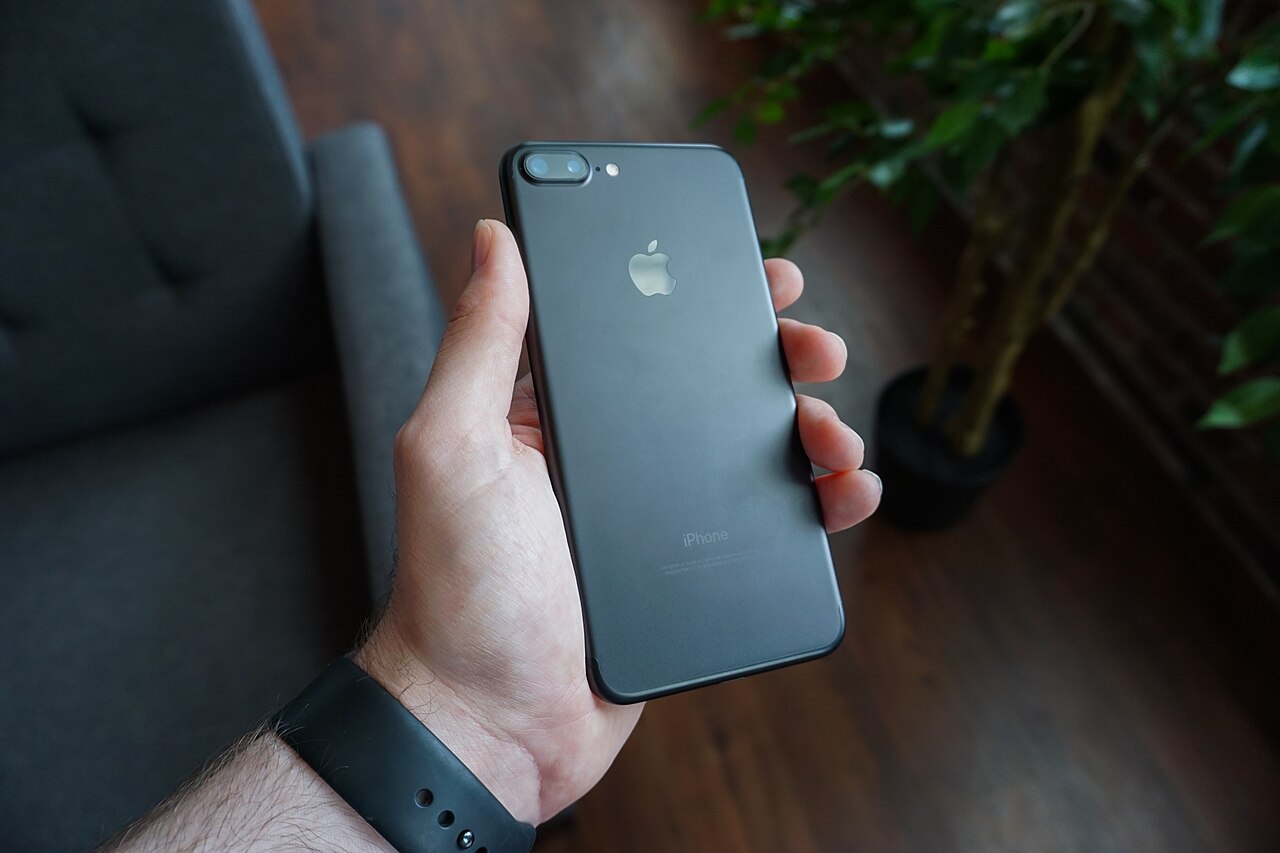
The average person now spends several hours a day on a smartphone. Feeds are designed by algorithms whose only goal is to keep us scrolling. For a Muslim, this raises serious questions: What are we looking at? What are we saying? Where is our time going? Islam gave us principles for guarding the eyes, the tongue and time long before the internet existed, and they apply perfectly to digital life. This guide calls it Islamic digital hygiene.
Why Digital Life Is a Spiritual Issue
Allah says: "And do not pursue that of which you have no knowledge. Indeed, the hearing, the sight and the heart, about all those [one] will be questioned" (Quran 17:36). Every video we watch, every post we read and every comment we write passes through the hearing, the sight and the heart. Screens are not neutral. They shape our desires, our mood and our relationship with Allah.
Part 1: Protecting the Eyes
Lowering the gaze online
Allah commands believing men and women to lower their gaze and guard their chastity (Quran 24:30-31). The gaze is lowered online by what we choose to open, follow and watch.
- Unfollow accounts that regularly post immodest or provocative content.
- Use "not interested" and content filters; algorithms learn from every pause.
- Install filtering tools on family devices and keep children's devices in shared spaces.
- If you slip, repent sincerely and make it harder to repeat, rather than despairing.
Part 2: Protecting the Tongue (and the Keyboard)
Typing is a form of speech. The Prophet ﷺ said: "Whoever believes in Allah and the Last Day, let him speak good or remain silent" (Sahih al-Bukhari 6018, Sahih Muslim 47).
Backbiting (gheebah) in comment sections
Allah describes backbiting as eating the flesh of one's dead brother (Quran 49:12). Mocking a public figure, sharing someone's embarrassing video or writing cruel comments about a person's appearance can all fall into backbiting or worse. A useful test: would I say this to the person's face, and would it please Allah?
Spreading unverified news
"O you who have believed, if there comes to you a disobedient one with information, investigate, lest you harm a people out of ignorance" (Quran 49:6). Before forwarding a viral message, a "miracle" image or a shocking claim, check the source. Forwarding lies, even by mistake, can harm people and spread fitnah. Be especially careful with fabricated hadith shared on social media.
Privacy and respect
Islam forbids spying (Quran 49:12). Screenshotting private chats to shame someone, posting photos of people without permission or exposing others' faults online violates this principle. Allah conceals the faults of the one who conceals the faults of others.
Part 3: Protecting the Heart From Envy
Social media is a highlight reel. We see others' holidays, weddings, cars and achievements, and compare them with our ordinary lives. This feeds hasad (envy) and ingratitude.
- Remember that what you see is curated, not the full picture.
- When you see a blessing on someone else, say "Barakallahu lahu" (may Allah bless it for him) and ask Allah for good for yourself.
- Follow the prophetic advice to look at those below you in worldly matters, so you do not belittle Allah's favours upon you (Sahih Muslim 2963).
- Avoid showing off your own blessings in ways that invite envy or hurt those who lack them.
Part 4: Protecting Time and Barakah
The Prophet ﷺ said: "There are two blessings in which many people are deceived: health and free time" (Sahih al-Bukhari 6412). Doomscrolling quietly consumes both.
He ﷺ also said: "Part of the excellence of a person's Islam is his leaving what does not concern him" (Jami' at-Tirmidhi 2317). Much of what we consume online does not concern us at all.
Practical steps to reclaim your time
- Audit your screen time using your phone's built-in tools. The number is often shocking.
- Set app limits for social media and video apps.
- No phone for the first and last 30 minutes of the day. Begin with morning adhkar and end with evening adhkar and the supplications before sleep.
- Turn off non-essential notifications. Keep only calls, family and work messages.
- Use the adhan as a reset. When it is time to pray, close the apps and leave the phone behind. You can use MosqueByMe to check the nearest mosque and walk there; the walk itself becomes a screen-free break.
Curating a Feed That Nourishes the Soul
Technology is a tool. Used well, it can bring us closer to Allah:
- Follow trustworthy scholars and teachers who cite sources.
- Use Quran apps with recitation and translation.
- Listen to beneficial lectures and podcasts while commuting.
- Share beneficial reminders, verified and with sources, as sadaqah jariyah.
- Use maps and apps that help you find mosques, halal food and prayer times while travelling.
A Note for Parents and Youth
Young people grow up with devices in their hands. Instead of only banning, explain the Islamic reasons, agree on family rules together, and model good behaviour yourself. Children notice when parents scroll during meals.
Frequently Asked Questions
Is using social media haram?
No. Social media is a tool. Its ruling depends on how it is used. Using it for good, family connection and lawful work is permitted; using it for haram content or harming others is not.
Is it backbiting to criticise a public figure online?
Scholars allow mentioning faults in limited cases, such as warning people about real harm or seeking justice. Insults, mockery and personal attacks are not included in these exceptions.
How can I stop doomscrolling?
Remove the apps from your home screen, set time limits, replace the habit with a specific beneficial action such as reading one page of Quran, and make du'a for help.
Can I share Islamic reminders without checking the source?
You should verify, especially hadith. Attributing words to the Prophet ﷺ that he did not say is a serious matter.
Your phone can be a witness for you or against you. Start with one change this week and ask Allah to place barakah in your time.
Image Credits
- Black smartphone in hand (Unsplash).jpg by Dennis Cortés cortes, CC0, via Wikimedia Commons
- Sunsets of Umm al-Fahm6.JPG by Moataz Egbaria, CC BY-SA 3.0, via Wikimedia Commons
- Laptop on desk book stacks (Unsplash).jpg by freddie marriage fredmarriage, CC0, via Wikimedia Commons