Anxiety, depression, grief and burnout affect people of every faith, including devout Muslims. Yet in many communities, struggling with mental health is still treated as a sign of weak iman, and people are told simply to "pray more". Islam offers deep spiritual support in hardship, and it also teaches us to take practical means, including professional help. This article explains how faith and treatment work together, what sabr really means, and which authentic du'as bring comfort.
If you or someone you know is in immediate danger or thinking about self-harm, please contact emergency services (999 in Bangladesh) or a local crisis helpline right now.
"Tie Your Camel": Faith and Action Together
A man asked the Prophet ﷺ whether he should tie his camel and trust in Allah, or leave it untied and trust in Allah. He ﷺ replied: "Tie it and trust in Allah" (Jami' at-Tirmidhi 2517, graded hasan). This short hadith is a foundation for how Muslims deal with every problem, including health. Tawakkul (reliance on Allah) is not passive. It means taking the available means and then trusting Allah with the outcome.
Seeking Treatment Is Part of the Sunnah
The Prophet ﷺ said: "Allah has not sent down any disease except that He has also sent down its cure" (Sahih al-Bukhari 5678). In another narration he said: "Make use of medical treatment, O servants of Allah" (Sunan Abi Dawud 3855, Jami' at-Tirmidhi 2038).
The mind is part of the body Allah created. Conditions such as clinical depression, anxiety disorders and trauma involve real changes in the brain and body. Seeing a psychiatrist, psychologist or counsellor, or taking prescribed medication, is no different in principle from seeing a doctor for diabetes. It does not mean your faith is weak.
Breaking the stigma
- Great believers felt deep sadness. The Prophet Ya'qub (peace be upon him) grieved for Yusuf until his eyes turned white (Quran 12:84).
- The Prophet ﷺ wept when his son Ibrahim died, and said that the eyes shed tears and the heart grieves, but we say only what pleases our Lord (Sahih al-Bukhari 1303).
- The year the Prophet ﷺ lost Khadijah and Abu Talib is remembered as the "Year of Sorrow".
Feeling pain is human. What matters is how we respond to it.
Understanding Sabr: Active Perseverance
Sabr is often translated as "patience", but its meaning is broader. It includes:
- Sabr in obeying Allah: continuing to pray and do good even when it is hard.
- Sabr in avoiding sin: not turning to harmful coping habits.
- Sabr in hardship: not complaining against Allah's decree, while still working to improve the situation.
Sabr is not pretending to be fine or refusing help. It is resilience: holding on to faith while taking every lawful step towards healing. Allah says: "O you who have believed, seek help through patience and prayer. Indeed, Allah is with the patient" (Quran 2:153).
Allah does not burden a soul beyond its capacity
"Allah does not charge a soul except [with that within] its capacity" (Quran 2:286). And He promises twice: "For indeed, with hardship [will be] ease. Indeed, with hardship [will be] ease" (Quran 94:5-6). Hard seasons do not last forever.
Authentic Du'as for Anxiety and Distress
For worry and sadness
Allahumma inni a'udhu bika minal-hammi wal-hazan, wal-'ajzi wal-kasal, wal-bukhli wal-jubn, wa dala'id-dayni wa ghalabatir-rijal.
"O Allah, I seek refuge in You from worry and grief, from incapacity and laziness, from miserliness and cowardice, from the burden of debt and from being overpowered by men" (Sahih al-Bukhari 6369).
The du'a of Yunus (peace be upon him)
La ilaha illa anta, subhanaka, inni kuntu minaz-zalimin.
"There is no deity except You; exalted are You. Indeed, I have been of the wrongdoers" (Quran 21:87). The Prophet ﷺ said no Muslim calls upon Allah with it for anything except that Allah answers him (Jami' at-Tirmidhi 3505).
In times of distress
La ilaha illallahul-'Azimul-Halim, la ilaha illallahu Rabbul-'arshil-'azim, la ilaha illallahu Rabbus-samawati wa Rabbul-ardi wa Rabbul-'arshil-karim. The Prophet ﷺ used to say this when in distress (Sahih al-Bukhari 6346).
Daily morning and evening adhkar
Reciting Ayat al-Kursi, the last three surahs, and the morning and evening remembrances gives structure and protection to the day. "Verily, in the remembrance of Allah do hearts find rest" (Quran 13:28).
Practical Steps That Help
- Talk to someone you trust: a family member, friend or imam.
- See a professional if symptoms last more than two weeks or affect daily life.
- Protect sleep, food and movement. Walking to the mosque for prayer is gentle exercise and community at once. MosqueByMe can help you find a nearby mosque.
- Stay connected to community. Isolation makes most mental struggles worse.
- Limit triggers such as constant news and social media comparison.
- Be gentle with yourself in worship. Keep the obligations and add small, consistent acts rather than burning out.
How the Community Can Help
Imams and mosque committees can invite qualified Muslim counsellors to give talks, keep a list of local services, and speak about mental health from the minbar with compassion. Friends can listen without judging and avoid saying "just pray more" as if that were the only answer.
Frequently Asked Questions
Is depression a sign of weak iman?
No. Depression is a health condition that can affect anyone, including very pious people. Faith can help healing, but having depression is not a sin.
Is taking antidepressant medication allowed in Islam?
Yes, when prescribed by a qualified doctor. Seeking treatment is encouraged in the Sunnah.
Should I see a Muslim therapist?
It can help to have someone who understands your faith, but any ethical, qualified professional who respects your values can help.
Can ruqyah replace therapy?
Ruqyah from the Quran and authentic du'as is a blessed practice, but it should not replace medical care. Combine both, and beware of people who exploit the vulnerable.
You are not alone, and your pain is seen by Allah. Hold on, reach out, and take one small step today.
Image Credits
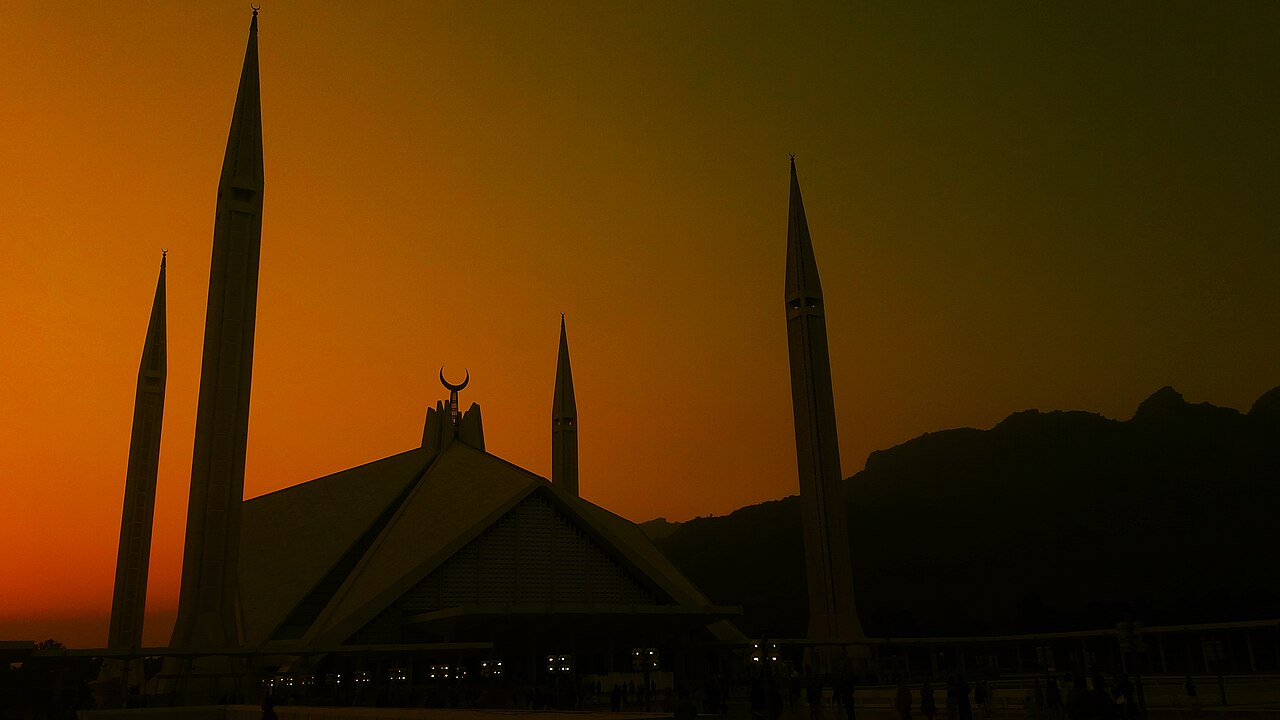
- Pray and Calm - Faisal Mosque at sunset.jpg by Sheikhsaim93, CC BY-SA 4.0, via Wikimedia Commons
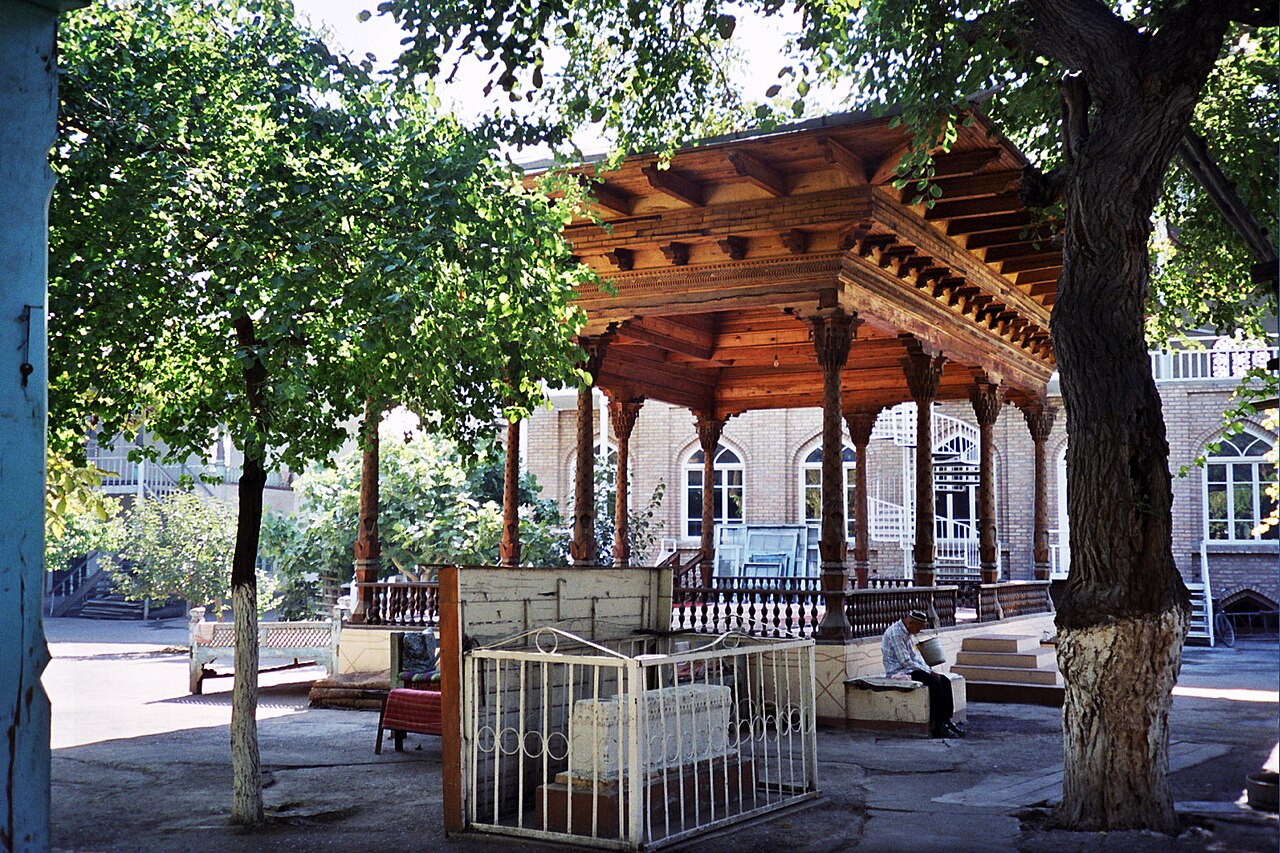
- Khonakhan Mosque, Margilan (496141).jpg by upyernoz from Haverford, USA, CC BY 2.0, via Wikimedia Commons