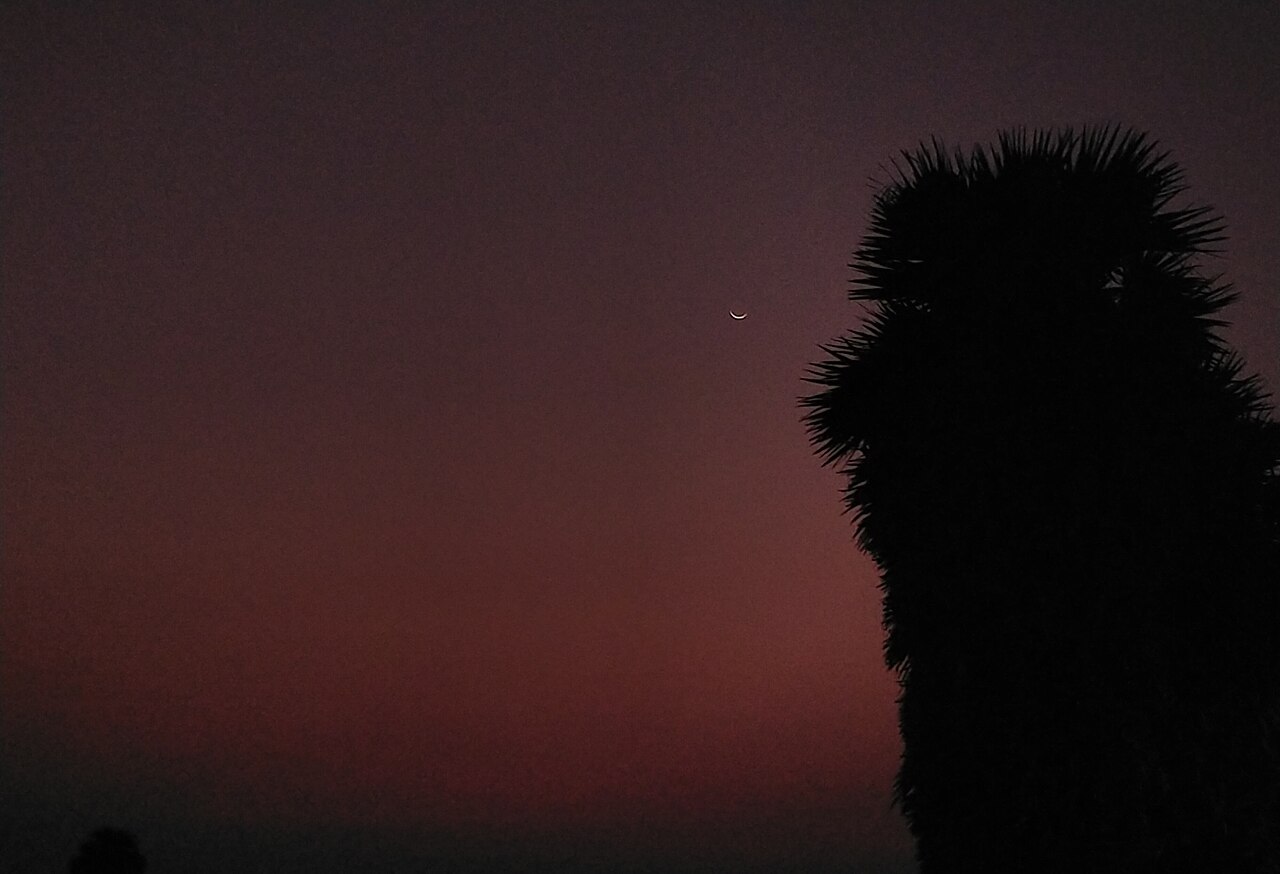
Every year, millions of Muslims say the same thing on the last night of Ramadan: "I wish I had started earlier." The blessed month arrives quickly, and the first week often passes in a blur of headaches, late nights and broken routines. Ramadan 1448 AH is expected to begin around early February 2027, subject to the sighting of the moon, so now is the right time to build a plan. This guide gives you a practical 30-day checklist so that you enter Ramadan ready in body, mind and soul.
Why Preparing for Ramadan Matters
Allah says: "O you who have believed, decreed upon you is fasting as it was decreed upon those before you that you may become righteous" (Quran 2:183). The goal of the month is taqwa, a living awareness of Allah. Taqwa does not appear overnight. It grows from habits, and habits take time to form. When you prepare in advance, the first days of Ramadan feel like a continuation instead of a shock.
The Prophet ﷺ himself prepared. Aisha (may Allah be pleased with her) reported that she never saw him fast in any month more than he fasted in Sha'ban (Sahih al-Bukhari 1969, Sahih Muslim 1156). Sha'ban was a training ground for the month that followed.
Week 1 (30 Days Before): Set Your Intention and Your Goals
Renew your niyyah
Sit down with a notebook and ask yourself what you want this Ramadan to change. Do you want to pray all five prayers on time? Finish the Quran once? Give up a bad habit? Write down no more than three clear goals. A few sincere goals are better than a long list you abandon by the tenth day.
Make a realistic Quran plan
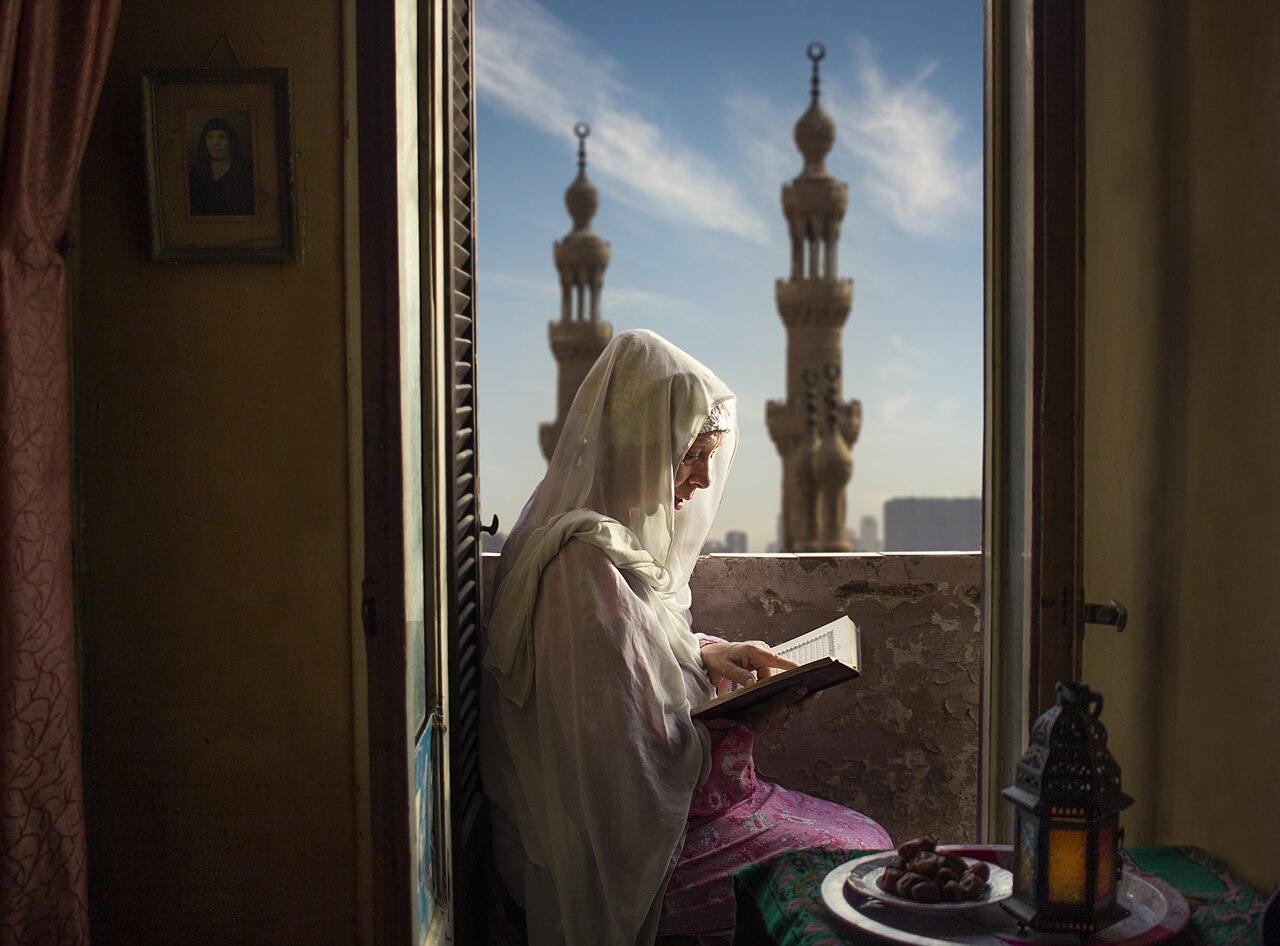
The standard Madani mushaf has about 604 pages. If you read four pages after each of the five daily prayers, you will read 20 pages a day, which is one juz', and complete the whole Quran in 30 days. Start this routine now with one page after each prayer, then increase slowly so that four pages feel natural by the time Ramadan begins.
Repair your relationships
Ramadan is a month of mercy. Call the relative you have not spoken to, settle debts if you can, and forgive people who have wronged you. Entering the month with a lighter heart makes worship sweeter.
Week 2: Build Fasting Stamina With Sunnah Fasts
Voluntary fasting before Ramadan trains the body and reminds the heart why we fast. Two easy options from the Sunnah are:
- Mondays and Thursdays: The Prophet ﷺ said that deeds are presented to Allah on these days and he loved for his deeds to be presented while he was fasting (Jami' at-Tirmidhi 747).
- The White Days (Ayyam al-Bid): the 13th, 14th and 15th of each lunar month, a practice the Prophet ﷺ encouraged.
One caution: the Prophet ﷺ said, "None of you should fast a day or two before Ramadan," unless it is a fast he regularly keeps (Sahih al-Bukhari 1914, Sahih Muslim 1082). So do your practice fasts earlier in Sha'ban, not on the last day or two before the month starts.
Week 3: Prepare Your Body
Taper your caffeine
Many of the headaches people feel in the first days of Ramadan are caffeine withdrawal. If you drink several cups of tea or coffee a day, reduce by one cup every few days. By the time Ramadan arrives, one cup at suhoor will be enough.
Adjust your sleep
Practise sleeping earlier so that waking for suhoor and Fajr is not painful. Try waking 20 minutes before Fajr a few times a week, perhaps for two rak'ahs of night prayer.
Plan simple, healthy meals
- Suhoor: slow-release foods such as oats, eggs, whole-grain bread, yoghurt and plenty of water.
- Iftar: break the fast with dates and water, pray Maghrib, then eat a balanced meal. Heavy fried food every night makes Tarawih difficult.
- Prepare a weekly menu and shopping list in advance to save time and money during the month.
Week 4: Organise Your Time and Your Community
Find your local mosque for Tarawih
Praying Tarawih in congregation is one of the joys of Ramadan. Before the month begins, check which mosques near your home or office hold Tarawih and how long their recitation is. You can use MosqueByMe to find the nearest mosque on the map, see directions and choose a place that suits your family.
Plan your charity
Decide in advance how much you will give and to whom. Many people also calculate their annual zakat in Ramadan. Set up the plan now so that giving is intentional, not rushed.
Reduce distractions
Turn off unnecessary notifications, decide your screen-time limit, and tell friends you will be less available. Ramadan hours are precious.
Your 30-Day Pre-Ramadan Checklist
- Write three clear Ramadan goals.
- Start reading the Quran daily, building up to four pages after each prayer.
- Fast at least two Mondays or Thursdays.
- Learn the meaning of Surah al-Fatihah and the last ten surahs.
- Reduce caffeine gradually.
- Fix your sleep schedule.
- Plan suhoor and iftar menus.
- Identify the mosque where you will pray Tarawih.
- Calculate zakat and plan your sadaqah.
- Make up any missed fasts from last Ramadan.
Frequently Asked Questions
When will Ramadan 2027 start?
Astronomical calculations expect Ramadan 1448 AH to begin around the second week of February 2027. The exact date depends on the moon sighting announced in your country, so follow your local Islamic authority.
Can I fast in Sha'ban to make up last Ramadan's missed fasts?
Yes. Aisha (may Allah be pleased with her) used to make up her missed Ramadan fasts in Sha'ban. Making up obligatory fasts should come before voluntary ones.
Is it allowed to fast the day before Ramadan?
Not as a precaution. The Prophet ﷺ prohibited fasting a day or two before Ramadan, except for someone who already has a regular habit, such as fasting every Monday.
How can I complete the Quran in Ramadan if I read slowly?
Read four pages after every prayer. If that is too much, aim for half the Quran and focus on understanding. Quality and consistency matter more than speed.
May Allah allow us to reach Ramadan in good health and accept our fasting, prayers and charity. Start today, even with one small step.
Image Credits
- Crescent moon (pirai nila).jpg by DEEPAN RAJA .M, CC BY-SA 4.0, via Wikimedia Commons
- Woman reading the Quran during Ramadan in Cairo, Egypt.jpg by مصطفى الشربجى, CC BY-SA 4.0, via Wikimedia Commons
- Iftar dates selection.jpg by Dashauvarkina8, CC BY-SA 4.0, via Wikimedia Commons
- Ramadan Lantern in the Rain Near the Ur Ziggurat.jpg by Montzr 1, CC BY-SA 4.0, via Wikimedia Commons